Miral AI vs Using Separate AI Tools: Which Makes More Sense?
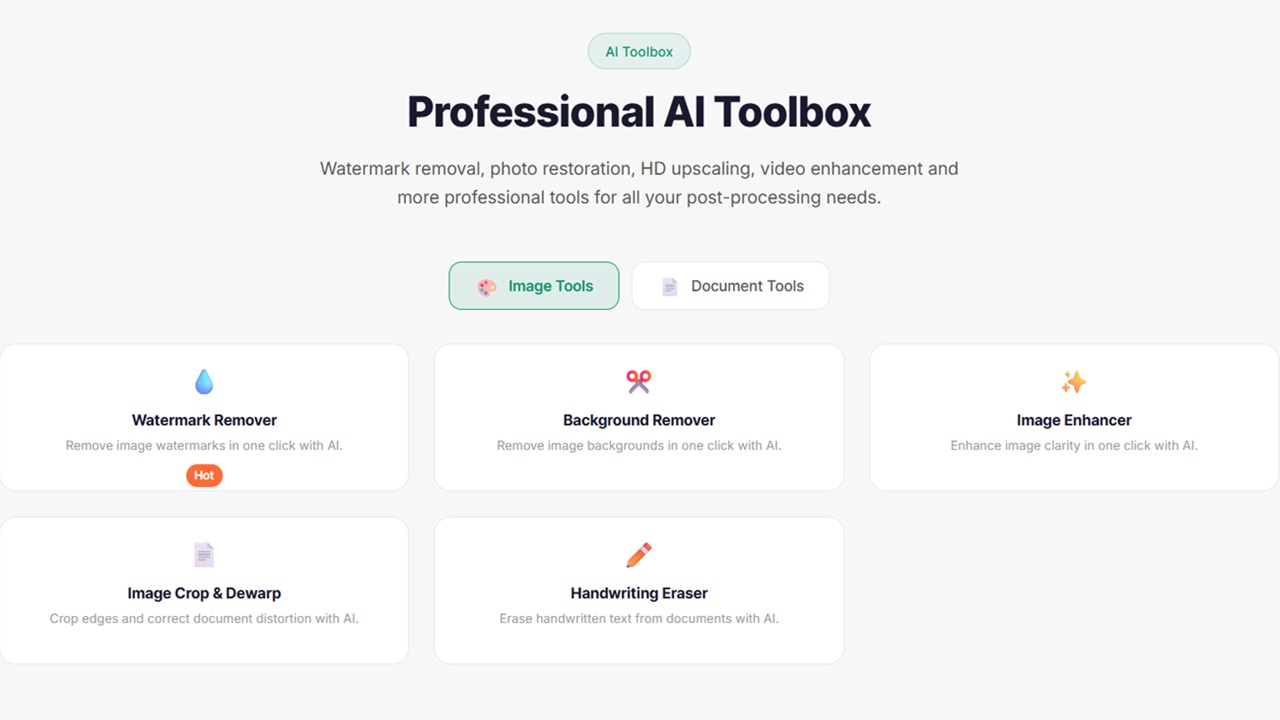
From creating images to editing videos, converting documents, composing music, and enhancing photos, AI tools are now used across most of the online world. As new tools emerge, users debate using one platform or multiple tools. Miral AI integrates AI functions into one workspace, letting users do various tasks without switching sites. However, many creators prefer dedicated tools for control and specialized features. It will depend on both personal workflow and project requirements, as well as the desired levels of control. You can visit miral ai for these AI tools.
The Appeal of All-in-One Platforms
Convenience is one of the reasons that people go to platforms like Miral AI. Running multiple AI services may get tedious. Each user can create an image on one platform, edit it on another, produce a video on another and then convert an image or file using another service. This switching can be minimized with an all-in-one system. All is linked with a single account and interface. This setup benefits users with diverse daily tasks by streamlining workflow and reducing distractions.
Fewer Tabs, Simpler Workflow
Having too many tools results in a messy creative process. Browsers accumulate in tabs, files get transferred from platform to platform, and people have to invest additional time in learning various systems. Simple tasks, such as repeatedly exporting and uploading files, can slow things down. Miral AI aims to make this process easier. You can remove backgrounds from images, convert documents and even create a short AI video in one. That can make working day to day easier for those who are more interested in getting the job done rather than getting it exactly right the first time.
Separate Tools Often Go Deeper
Separate tools often focus more on a single category, unlike all-in-one platforms. A dedicated video editor may provide stronger motion controls, better timelines, or more detailed effects. A specialized image generator may produce more refined visual outputs. This difference matters for professionals who need detailed editing options. Filmmakers, graphic designers, and music producers often require precise control that general platforms may not fully provide. In those cases, separate tools can still deliver stronger results.
Learning Multiple Platforms Takes Time
Using separate AI tools also creates a learning problem. Every platform has different controls, pricing systems, export settings, and workflows. Users have to learn how to use each one and familiarize themselves with it before using it. It can be daunting for new investors. A person who is just looking to create some social media posts or edit some business documents may not wish to invest time in learning about multiple platforms for doing that. A simpler interface often becomes more practical for casual users.
Cost Can Become a Problem
Many AI services operate through subscriptions or credit systems. When users depend on multiple platforms, monthly costs can rise quickly. One tool may charge for video generation while another charges separately for image editing or document conversion. This can be minimized by using a single platform with multiple functions and a unified price. While not always cheaper, it helps users save by avoiding multiple subscriptions.
Speed Matters for Content Creators
Online content moves quickly. Social media creators often need fast production rather than perfect production. A short video for Instagram or TikTok requires basic editing, music, captions, and thumbnails. Speed is more crucial than detailed manual control. Miral AI supports this style by bringing together video generation, image tools, AI music, and content templates in one place. For creators posting regularly, reducing production steps can make a noticeable difference.
Specialized Work Still Has Its Place
Despite the advancement of one-stop services, dedicated software will not be replaced. Still, there are tools designed for specific tasks used in professional industries. High-end animation, commercial music production, and detailed film editing often require specialized software designed for a single purpose. This creates a clear divide between casual and professional usage. Many users do not need cinema-level editing tools. Others absolutely do. It will depend on the specific work that is being created.
Conclusion
The question of all-in-one AI platforms versus standalone AI tools is not easy to answer. Both provide different answers to problems. AI tools like Miral AI are all about convenience, speed, and centralizing tasks. Targeted tools focus on depth, control and features. It’s practical, for many everyday users, to keep all of this in one system. It minimizes complexity and simplifies workflows. However, if you are a professional working on a complex project, there is likely to be software dedicated to it that offers you more control and better output. The difference between the two approaches may shrink as AI tools continue to expand. However, for the time being, the ideal selection will depend on how people are working and the expectations they have for the tools they use.