From Concept to Shelf: UKPACK’s Step-by-Step Packaging Process
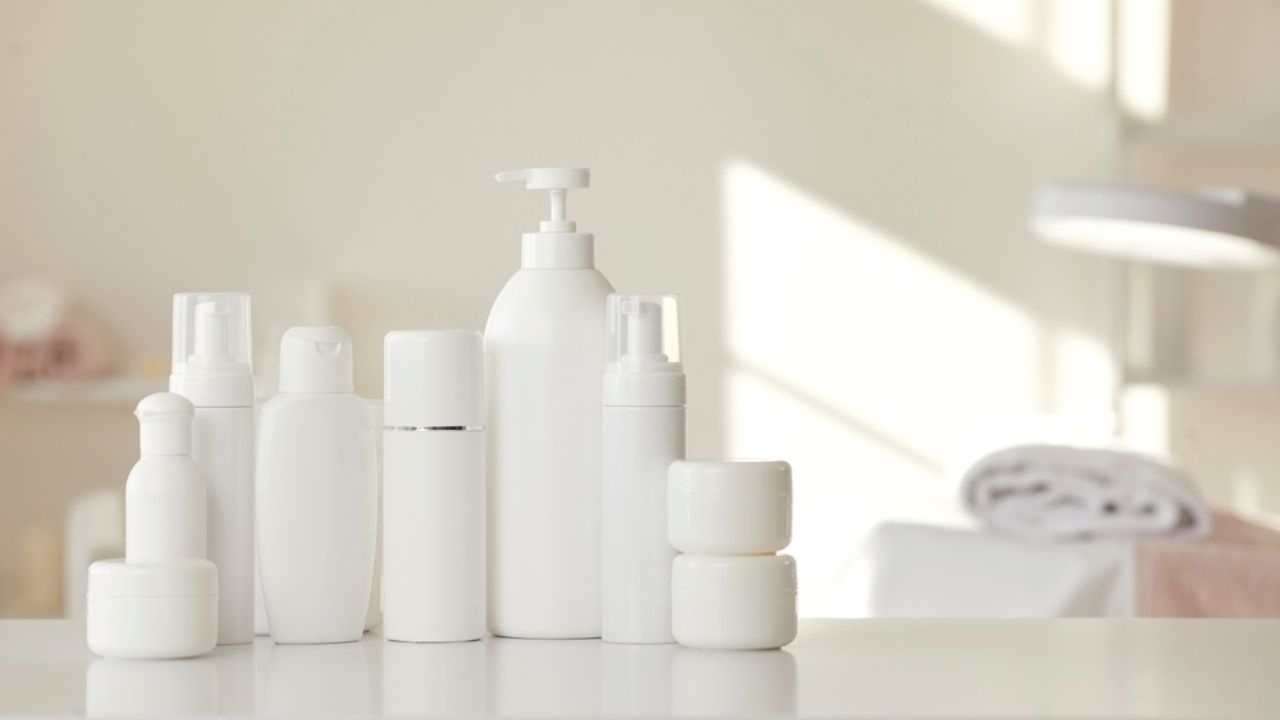
The cosmetic brands are relying on attractive, functional, and reliable packaging. It is important to have an organized process of collaboration between design, engineering, and manufacturing so as to transform a preliminary concept into a complete container that can be put on the retail shelf. The professional China-based cosmetic packaging manufacturer, UKPACK Packaging, has a well-defined process of development work that helps the clients navigate properly from the initial ideas to the final delivery. The integrated nature of the company also makes sure that the packaging solutions address the needs of packaging formula, production, and sustainability without any needless delays and surprises.
Step One
The UKPACK packaging process starts when a client postulates a new idea in a project. Important information is shared by the brands, including product type, formula properties, the target market, and the time of desired launch. UKPACK will consider this information in detail to get the whole picture. Real-life discussions are on how the product will be filled, stored, transported, and used by consumers. This step is necessary since the cosmetic formulas are not similar and must be packaged in a certain structure. With the clarification of expectations, UKPACK can prescribe the right materials, closures, and dispensing systems, which can be in line with the vision of the client.
Step Two
Once the project brief is checked, the engineering and design team of UKPACK converts ideas into practical packaging designs. The 3D software is advanced enough to build detailed digital models of bottles, jars, caps, pumps, or tubes. Meanwhile, engineers are engaged in the DFM analysis, which is abbreviated as design for manufacturing. They consider the thickness of the walls, the structural strength, the possibility of mold, and the way of decoration in order to make sure that the idea can be mass-produced effectively. UKPACK offers free design assistance and 3D renders to ensure that its clients see their package from various angles. This is the stage of collaboration between brands in the concept stage, where the shape and functions can be improved before transitioning to physical models.
Step Three
Rapid prototyping and sample generation come after visualization. UKPACK provides the clients with 3D printed prototypes or standard samples so that they can look at the packaging itself. This phase assists the brands in testing the ergonomics, pump effectiveness, and general visual appearance. Trials are usually filled with samples using the actual cosmetic formula. The compatibility tests are done to verify whether the chosen material is safe with the product. This phase of validation is done to make any necessary design changes. UKPACK is highly convinced about the early testing, as it enables its clients to lock down the designs.
Step Four
Upon acceptance of the final packaging design by the client, UKPACK goes through to custom tooling. The company plans and constructs molds in-house based on specifications and agreed specifications as per accurate drawings. The tooling schedules are communicated overtly with the clients, as well as the sampling strategies and quality control gates. Single-cavity tools and multi-cavity production molds are considered simple and complex custom molds. Since the UKPACK has control over the whole process, such as engineering, manufacturing, etc., there is control of important information like neck finishes, container volumes, etc. This will be the transition point between an innovative idea and mass production.
Step Five
As molds are made and checked, UKPACK starts large-scale production. The injection molding lines in the company are used to manufacture closures and high-precision parts out of materials (PP, PETG, ABS, and other cosmetics-grade plastics). Blow molding activities produce lightweight products of high durability, such as bottles, to be used in skincare, personal care, and beauty products. Since production is concentrated in a single roof, UKPACK is able to tightly manage molding parameters and maintain consistency across batch production. The thickness of the walls used, dimensions, and quality of the surface are continuously checked so as to maintain a steady output.
Step Six
The packaging parts are transported to UKPACK to the decoration department after completion of the primary manufacturing. In this case, the addition of brand identity is done using screen printing, hot stamping, spraying, coating, and professional labeling. The colors are perfectly matched on Pantone standards, and the adhesion is tested to ensure permanence. Decoration is an important process as it dictates the outlook that the product is going to have among the consumers. UKPACK is sensitive to this step, ensuring that logos and graphics are not blurred on the shelf.
Conclusion
The step-by-step process of UKPACK shows that a lot of planning and coordinated abilities can be used to develop reliable cosmetic packaging solutions. Through the distinct phases of briefing, design, prototyping, tooling, production, decoration, and quality control, the UKPACK will make sure that every project will be handled professionally throughout the work. What comes out is a packaging that comes out as it is passed and works in the market effectively. This rigorous process enables innovative ideas to be processed into completed cosmetic packages that are visible on the shelves and promote brand development in the long term.