Essential Tips for Maintaining Forestry Mulcher Teeth for Maximum Lifespan
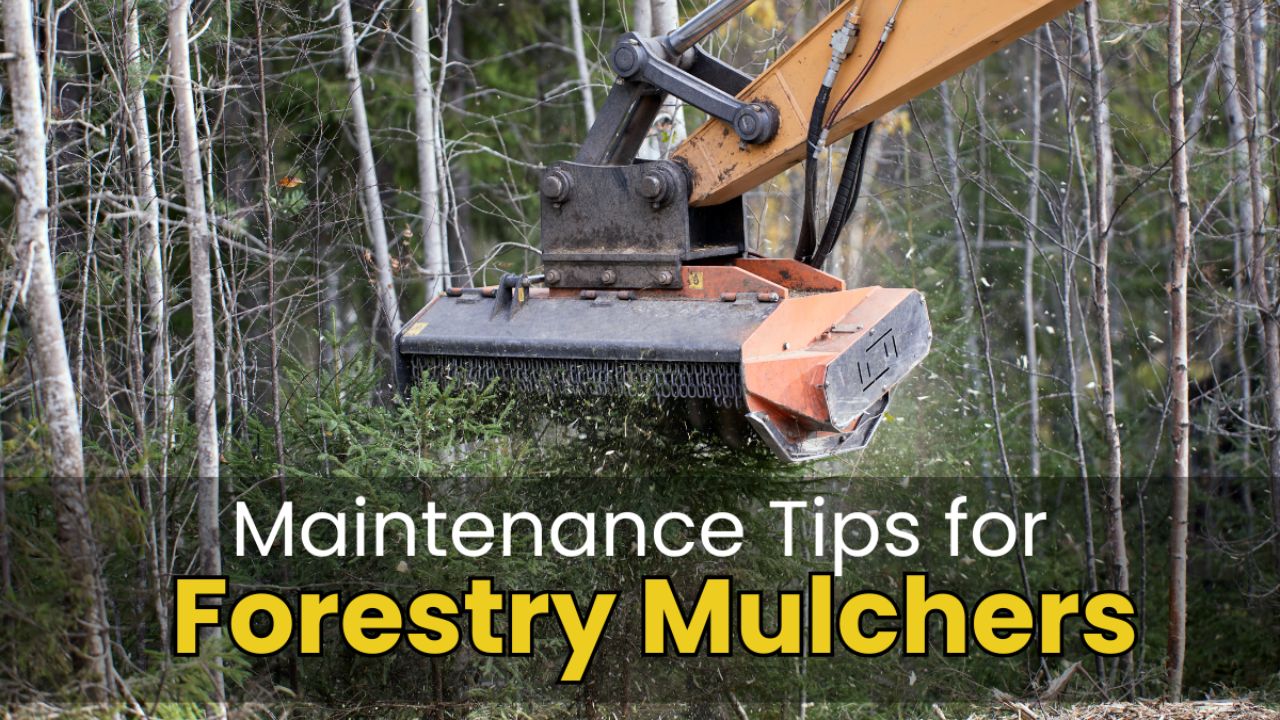
Forestry mulcher teeth are very important in land clearing and forestry processes. They have a direct effect on the performance, efficiency and longevity of mulching equipment. These teeth are not only well-maintained to save time but also to save operational costs due to the fact that their lifespan is extended. By knowing which factors influence wear and by applying the best maintenance practices, operators and maintenance teams can attain the best possible performance. High-quality aftermarket mulcher teeth could also be considered by the operators, as they are a cost-effective maintenance of the part that still provides a high level of reliability and durability.
Understanding the Importance of Mulcher Teeth Maintenance
Mulcher teeth are subjected to the most severe conditions, clearing the thick brush, trees, and stumps. The teeth can also wear down with time because of the regular impact and friction, as well as making it less efficient to cut and increasing the strain on the machine. Deteriorated teeth can create an ugly cut, rotor damage and can even cause complete impossibility of utilizing the equipment in case they are not maintained. The significance of regular service causes the operators to arrange for repairing, replacing, and checking their equipment until the problem becomes serious. Properly kept teeth help in increasing fuel efficiency and minimizing wear on the mulcher, and also guarantee uniform performance on the different terrain types.
Regular Inspection and Monitoring
The key element of successful maintenance of mulcher teeth is regular inspection. The operators need to examine the teeth using the reference to wear, chipping or bending at the beginning and end of every operation. Close inspection of the teeth is a way of identifying damage early, like cracks around the carbide tips or abnormal thinning of the steel. Frequent inspection enables replacing or rotation of teeth in a timely manner before further destruction of the rotor or other parts of the machine. Besides, the capability to monitor wear patterns gives an idea of the type of material being mulched, which could be used to change operational methods and equipment settings.
Proper Cleaning and Debris Removal
The teeth of the mulcher are always susceptible to dirt, rocks and organic debris. Stock-up may increase wear and decrease the efficiency of cutting. Teeth must be cleaned thoroughly after every use to get rid of the dirt, sap, or any other residues that might be left behind. Keeping the cutting surface clean is a way of making sure that the teeth cut the vegetation well and also minimizes the chances of corrosion or chemical damage. Foreign objects lodged around the teeth or rotor should also be checked by an operator, who may cause uneven wear or may suddenly damage the rotor during the operating process.
Correct Installation and Secure Fitting
Proper installation contributes a lot to the life of the mulcher teeth. Misfitted teeth may become loose in use, causing an uneven cut, excessive vibration and premature wastage. When fitting new teeth, it is necessary to follow the recommendations of the manufacturer, tighten the bolts and mounting hardware to the recommended torque, etc. OEM-compatible teeth that are compatible with the mulcher model can also be used, thereby reducing the chances of operational inefficiency and untimely failure. The correct installation is in favour of the consistent performance, less strain on the rotor and safety in the activities of land-clearing.
Rotation and Timely Replacement
Mulcher teeth wear off even in periodic service. Regular rotation of teeth assists in ensuring that performance is uniformly distributed throughout the rotor. The practice will mean that any individual tooth is not overstrained, and hence, the possibility of an unevencut and increased wear will be eliminated. Also, it is necessary to replace the decayed teeth in time. The teeth must be changed by the operators when they become extremely dull, chipped, or their structure is damaged, instead of waiting until they fail altogether. The timely replacement will protect the rotor, ensure cutting efficiency and avoid expensive repair.
Conclusion
To have forestry mulcher teeth is an important part of the effective land-clearing operation. These are vital parts that can be optimized in terms of life span by ensuring that operators inspect them regularly, clean them, install them correctly, rotate them, replace them in time, and take care of them. JYF Machinery stresses that properly-kept teeth not only enhance productivity, but also save on maintenance, fuel consumption and downtime of equipment. Through proper maintenance, forestry workers are able to provide the best in terms of their mulchers performing optimally, and in the process, provide very accurate and consistent results regardless of the project they are undertaking.