
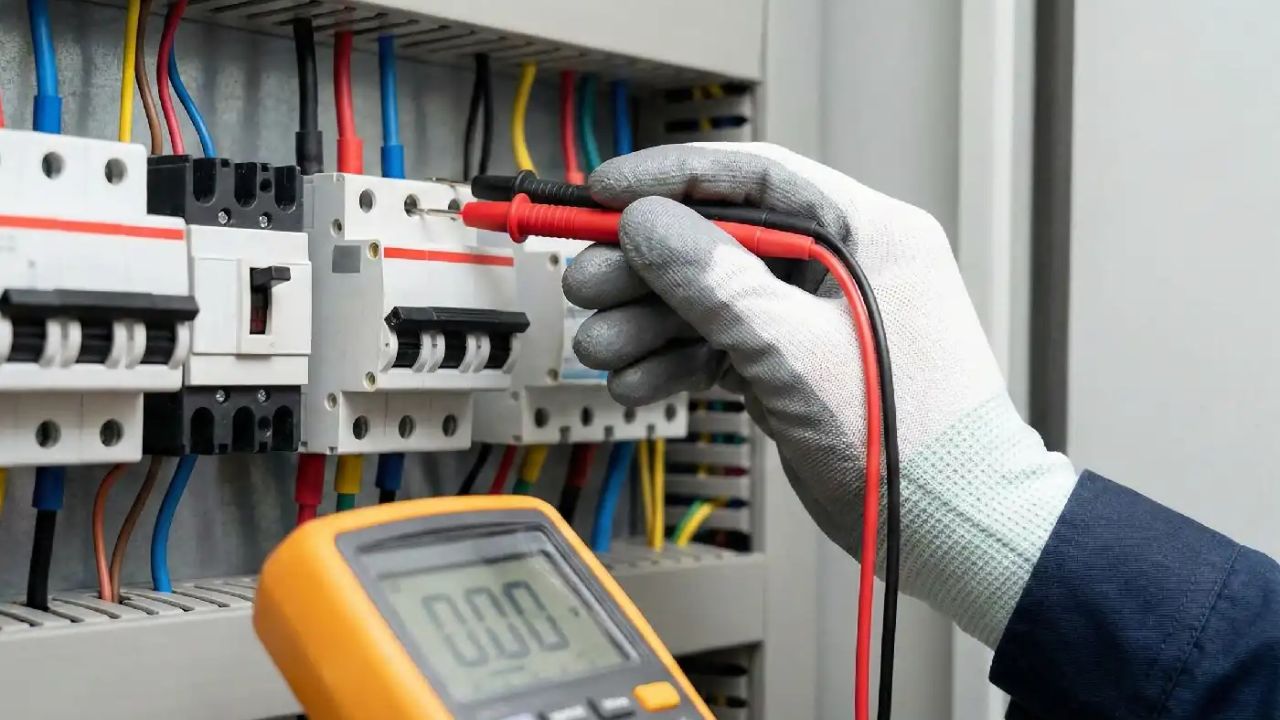
Circuit Breaker Wiring Diagram system testing is a mandatory procedure for ensuring the safety and efficiency of any electrical installation. The correct testing saves the system, anticipates any potential danger, and uncovers errors at the initial stage before they develop into critical problems. In residential, commercial, or industrial settings, it is essential to take a systematic and secure way of conducting inspections and testing of the circuit breaker wiring systems.
Understanding the Purpose of Circuit Breaker Testing
Circuit breakers are engineered to guard electrical circuits against overcurrent, short circuits and all other possible harmful situations. However, even the top breakers are likely to fail when the wiring malfunctions or is installed improperly. The inspection of the wiring system will make the connections safe, the breakers rated correctly, and the entire system safe. Besides not destroying equipment, correct testing will reduce the possibility of electrical fires and personal injuries. In the case of electricians, engineers and even seasoned DIYers, the comprehension of the role of testing lays the groundwork for a systematic and secure methodology.
Preparing for a Safe Testing Procedure
The first thing to be considered before any testing is to be done is safety. The first one is to ensure that the power is cut off to the circuit. This will test against the possibility of an electric shock accident and will make the tester work confidently with the wiring system. Wearing of personal protective equipment, including insulated gloves, safety glasses, and proper shoes, is required. In addition, certified instruments that can be used in electrical tests, including multimeters, clamp meters and circuit testers, should also be used. The wires can also be labeled and the circuits clearly identified to avoid confusion in the testing process, and the chances of errors are minimized.
Inspecting the Wiring System Visually
Beforehand, a visual check of the wiring system of the circuit breaker should be conducted. The inspectors are expected to check on signs of wear, corrosion, broken wires and damaged connections. Any hanging terminals, frayed wires or components installed improperly should be dealt with before live testing is conducted. This is not only making the next tests more accurate, but it is also important to note that the system is in a safe condition to work with electricity. Grounding connections are also to be checked since they are vital in avoiding electrical shock and ensuring that the system remains stable.
Using Tools to Test the System
After the visual examination, the next step would be to make measurements using electrical testing equipment of continuity, voltage, and flow of currents in the system. To establish the occurrence of no breaks in the wiring, a multimeter is usually used to verify that there is continuity between circuit breaker terminals and load connections. Voltage check: The voltage tests are taken to confirm that the system is being fed with the right supply and the breakers are working within their rated capacity. In more sophisticated arrangements, current flow can be measured without disconnection of wires using a clamp meter, and the tester can check the operation of the breaker trip when the current exceeds the setpoint. Every test must be conducted with caution and adherence to the instructions of the manufacturer, and taking all precautions.
Confirming Breaker Functionality
An important thing about testing is to also ensure that the circuit breakers themselves are operating correctly. This is through ensuring that the breakers trip under simulated overload or short-circuit conditions. By functioning correctly, the operation of the breakers implies that the wiring system is installed correctly and able to protect the equipment and users. Also important is to ensure that every breaker has the correct amperage capacity of its circuit. When too small or too large breakers are used, depending on the intended load, the system will not be effective in terms of safety.
Documenting Results and Addressing Issues
Once the testing process is complete, one is supposed to record all the findings and corrective measures where necessary. Any faults, loose connections, or wrong breaker ratings that are detected should be rectified. A document of test results is also useful in the maintenance in the future, as well as in the adherence to safety standards and in the problem-solving of possible issues, it has a reference. In larger installations, documentation of wiring tests is more effective to increase the effectiveness and durability of the electric system.
Conclusion
There are several knowledge, preparation, and strict compliance with safety measures needed to safely test a circuit breaker wiring system. Technicians can assess the operation of the electrical systems by performing visual check-ups, with the help of the right equipment, checking the breakers, and recording the findings to make sure that the electrical systems are efficient and safe to work with. Effective testing is not only a way of protecting equipment and property, but it also helps to protect those who depend on the systems in their daily living. An adherence to discipline in testing the subject matter makes the electrical installation more integrity-fulfilling, which enhances trustworthiness and tranquility in any setting.